
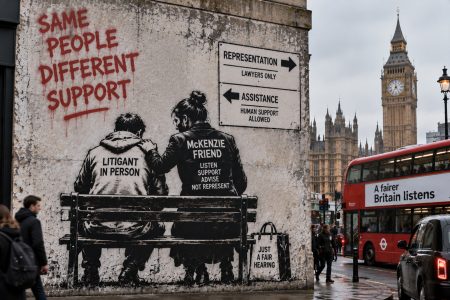
You can bring a helper to a civil hearing, and the court needs good reason to stop you. But a McKenzie friend advises you; they do not speak for you. This guide maps the line between support and representation — the 2010 Practice Guidance, the reserved legal activities a helper must not touch, the separate grant needed for speaking rights, what paid McKenzie friends may lawfully charge for, and the conduct that gets lay helpers excluded.
Complaining about a lawyer is a two-stage process governed by three clocks: the firm’s eight weeks, six months from the final response, and one year from the problem. This guide sets out the Legal Ombudsman route as it works in 2026 — the April 2023 scheme rules, the £50,000 compensation cap, the £400 case fee (paid by firms, not complainants), current timescales, and what complainants can realistically expect.
Employment Tribunals have broad powers to support vulnerable parties. But an impaired litigant in person may struggle to identify the barrier, explain its functional effect and provide the evidence needed for a proportionate adjustment.
A sharp, LiP-ready manual on LPP—how to keep advice and litigation strategy privileged, avoid waiver, and handle regulators/FOI, updated to 2 Nov 2025.
The emotional strain of appealing welfare decisions reveals the urgent need for a more compassionate and effective UK welfare system.
Legal profession · Financial crime · Regulatory accountability The legal profession is meant to protect the rule of law, not provide cover for financial crime. Yet repeated scandals show how solicitors, lawyers, accountants and other professional intermediaries can become gatekeepers for secrecy, asset concealment and abusive offshore structures. The issue is not the profession as … Continue reading “The Silent Crisis: Corruption and Money Laundering in the UK Legal Profession”
The SRA’s new guidance for in-house solicitors highlights ethical responsibilities but raises questions about the practical challenges of reporting wrongdoing in hostile workplaces.
Navigating the legal system as a litigant in person (LiP) can be a mentally exhausting and daunting endeavour. This article delves into the systemic power imbalances, regulatory failures, and profound psychological impacts experienced by those without legal representation, advocating for essential reforms to ensure fairness and support for all individuals in their pursuit of justice.
This article examines why many solicitors who begin with high ethical standards gradually compromise their values. It discusses the cultural and systemic pressures within the legal profession, and offers a call to action for restoring integrity and fairness in the UK legal system.
A solicitor faces serious allegations of misconduct in a long-standing will dispute. Discover the complexities of this intriguing legal case involving deception and family conflict.