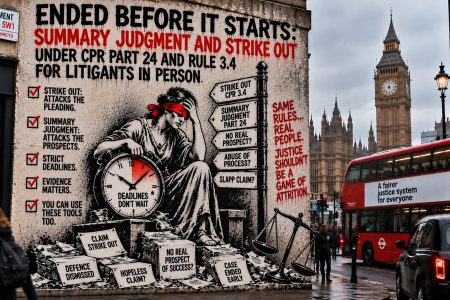
Two applications can end a civil case before it ever reaches trial. This guide explains the difference between strike out under CPR rule 3.4 — including the new SLAPP ground — and summary judgment under Part 24, the notice and evidence deadlines both sides must meet, and how a litigant in person can resist an application or use the same procedure against a hopeless claim or defence.
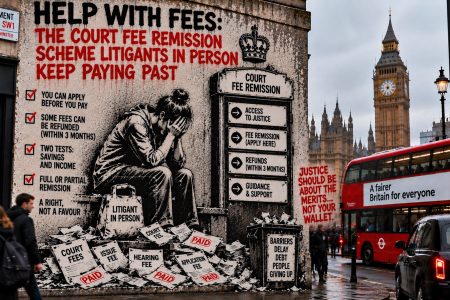
Court fees are set to be felt — £455 to issue an £8,000 claim, £346 more for the hearing — but the Help with Fees scheme can reduce them to zero for anyone under the savings and income thresholds. The catch is that it is strictly self-service: a separate application for every fee, a 28-day clock on evidence letters, and three months to reclaim a fee you should never have paid.
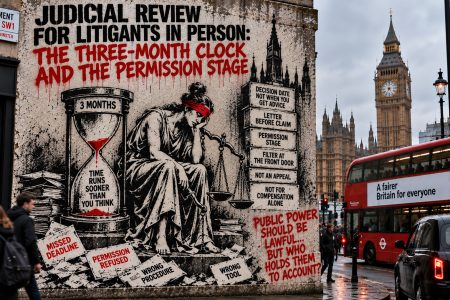
Judicial review is often the only route for challenging a public body’s decision — but every claim needs the court’s permission, and the three-month clock runs from the decision itself, not from when you first get advice. This guide explains what judicial review can reach, how the pre-action protocol works, what the permission filter screens for, and when another route is the better tool.
The court will not collect your judgment for you. This guide walks through the four main enforcement routes for litigants in person — goods, wages, savings and property — with the current court fees and the thresholds that decide which route is realistic for your debtor.
Missed a directions deadline? The sanction takes effect automatically, and the way back is an application for relief from sanctions under CPR 3.9. This guide follows one worked breach – a late witness statement – through the three Denton stages, the application notice and the witness statement in support, and explains why it is a different remedy from setting aside a default judgment.
The Hillsborough Law has cleared the Commons and is before the Lords — but it is not yet law. We track the Public Office (Accountability) Bill as at September 2026: the duty of candour and assistance, the offences behind it, non-means-tested legal aid for bereaved families at inquests, and the drafting fights still to come at Lords committee stage.
A County Court judgment can move from court procedure into financial life. This Legal Lens article explains why a CCJ is not one simple thing, and why judgment, registration, credit consequences, payment, satisfaction, cancellation, set aside, variation and stay are different legal routes with different effects.
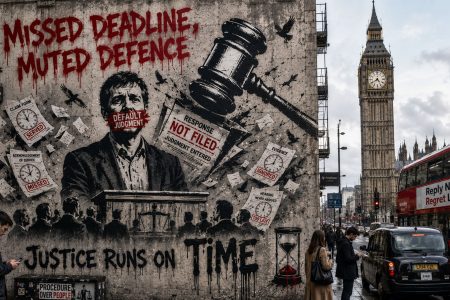
Civil procedure · Default judgment · Set aside A court judgment does not always follow a trial. Sometimes it follows silence. Default judgment is the procedural moment where a missed response can become judgment before the facts are tested, and the defendant’s first task may no longer be to defend the claim, but to explain … Continue reading “Default judgment: when silence becomes a judgment before the facts are heard”
A practical guide showing how landmark English cases help Litigants in Person build stronger negligence and contract claims.
Judicial accountability · whistleblowing · Freemasonry transparency A new legal challenge over alleged judicial bullying has revived an old question: whether opaque networks, institutional loyalty and unfinished reforms leave whistleblowers facing more than their formal opponents. No grand conspiracy is proved, but the absence of disclosure leaves public trust exposed. Jurisdiction: United Kingdom Focus: JCIO, … Continue reading “Unmasking an ‘Old Boys’ Club’: Freemasonry, Whistleblowers and the UK Justice System”