Since October 2023 the County Court has had four case management tracks, and the newest — the intermediate track — now covers the defended claims worth between £25,000 and £100,000 that are too big or too complex for the fast track. Track allocation decides procedure and, through fixed recoverable costs, almost exactly what the winner recovers. Here is what to check before you return the directions questionnaire.
A clear, practical roadmap for LiPs to amend their ET claim and defuse intimidating costs threats.
The SRA apologises after being ordered to pay £180,000 for improperly prosecuting a City lawyer, raising fresh concerns about its regulatory processes.
The Solicitors Regulation Authority faces scrutiny after being ordered to pay £189,000 in costs following a failed prosecution against Dentons. This raises critical questions about regulatory practices in the UK legal sector.
Explore the rise of Litigants in Person (LiPs) in the UK and navigate the complexities of legal costs in small claims and fast-track cases effectively.
Resource hub · Factsheet Legal Costs and Who Pays Them Understanding costs in small claims and fast-track cases Civil claims · Factsheet 7 of 17 Small Claims (up to £10,000) Each side usually pays their own legal costs Loser may pay winner’s expenses (e.g., court fees) Court can order costs if a party behaved unreasonably … Continue reading “7. Legal costs and who pays them”
Poor legal advice can lead to prolonged litigation, financial strain, and emotional distress. Learn how to identify red flags and seek redress in the UK legal system.
Three digital systems now sit between a claimant and the County Court, each with its own rulebook. Online Civil Money Claims is live and mainstream; the damages claims service is a pilot closed to litigants in person; Money Claim Online endures as the legacy layer. This inventory, built from the practice directions and official sources, maps which portal your claim belongs in.
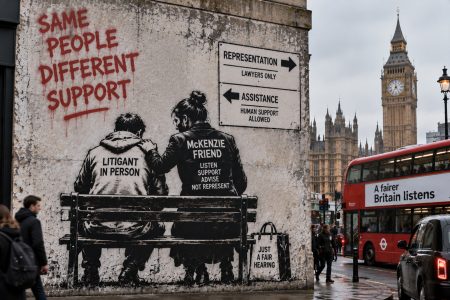
You can bring a helper to a civil hearing, and the court needs good reason to stop you. But a McKenzie friend advises you; they do not speak for you. This guide maps the line between support and representation — the 2010 Practice Guidance, the reserved legal activities a helper must not touch, the separate grant needed for speaking rights, what paid McKenzie friends may lawfully charge for, and the conduct that gets lay helpers excluded.
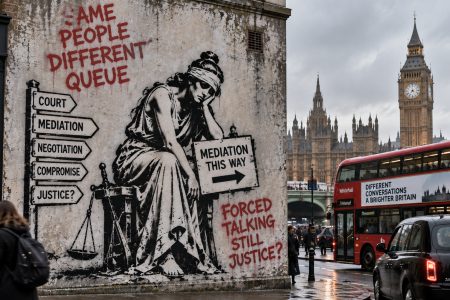
Civil courts in England & Wales can now order parties into non-court dispute resolution, and the Civil Procedure Rules were amended in October 2024 to match. This guide explains the difference between the automatic small claims mediation scheme and the general Churchill power, the costs risk of refusing to engage, and how to prepare for a mediation appointment without legal representation.