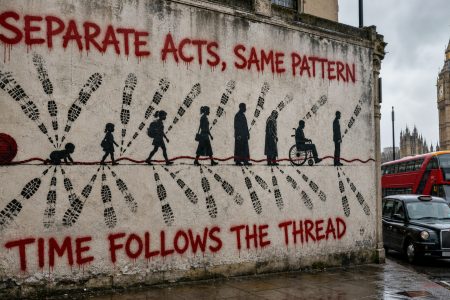
Employment Tribunal conduct may be disruptive in effect while mental impairment remains relevant to its cause. This article examines evidence, non-attendance, costs, unless orders, strike-out and fairness to both parties.
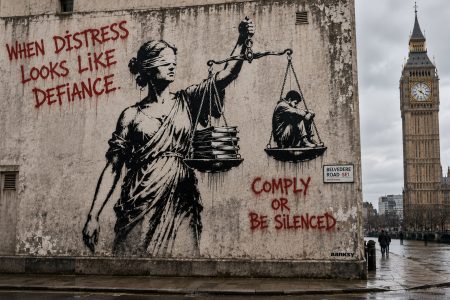
Employment Tribunals have broad powers to support vulnerable parties. But an impaired litigant in person may struggle to identify the barrier, explain its functional effect and provide the evidence needed for a proportionate adjustment.
Employment Tribunal proceedings do not inevitably cause mental illness. But for a litigant in person, self-representation can add anxiety, cognitive load and procedural pressure to an already damaging workplace dispute.
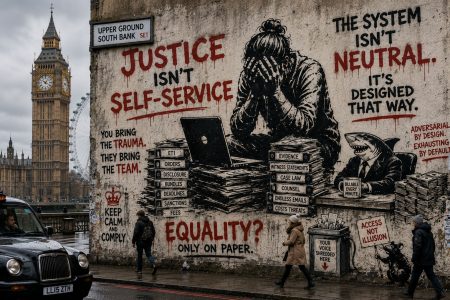
A new era of self-representation is emerging as litigants in person use strategy, structure, and AI tools to navigate a justice system once reserved for lawyers.
Even after sweeping reforms, Employment Tribunals remain an uphill battle for self-represented claimants—especially ex-police officers suddenly cut adrift by the Federation.
The UK’s whistleblowing regime promises protection but, in practice, enables institutional retaliation that silences staff and imperils the public.
Imperial College London’s refusal to disclose legal spending under FOIA raises urgent questions about transparency, governance, and accountability.
A Freedom of Information (FOI) request reveals that Lewisham and Greenwich NHS Trust spent £1.6 million on Capsticks LLP between 2017 and 2023, spotlighting the firm’s controversial role in NHS litigation.
A comprehensive look at UK whistleblowing reforms, the proposed Office of the Whistleblower, and efforts to hold regulators accountable.
Learn practical steps to navigate ACAS and Employment Tribunals as a Litigant in Person and overcome the challenges of self-representation.