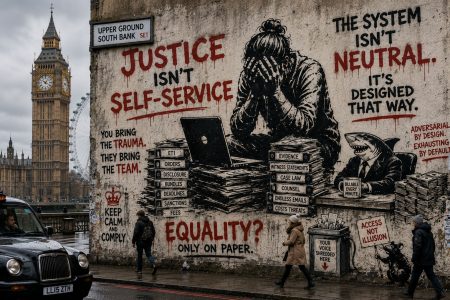
Employment Tribunals have broad powers to support vulnerable parties. But an impaired litigant in person may struggle to identify the barrier, explain its functional effect and provide the evidence needed for a proportionate adjustment.
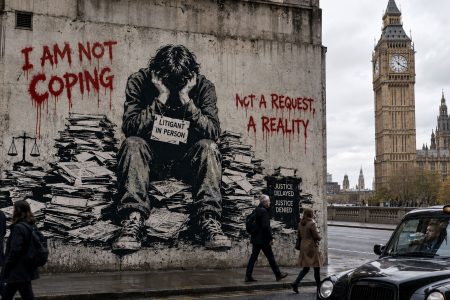
Employment Tribunal proceedings do not inevitably cause mental illness. But for a litigant in person, self-representation can add anxiety, cognitive load and procedural pressure to an already damaging workplace dispute.
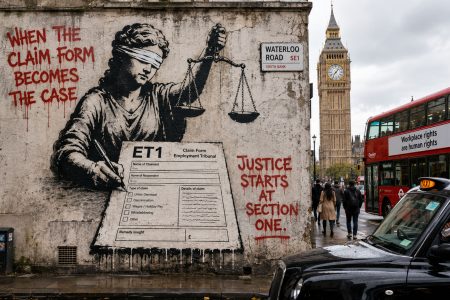
The ET1 is more than an Employment Tribunal claim form. It is the first point where a workplace story becomes a case, shaping the issues, respondent response, evidence, amendment risk and access to justice.
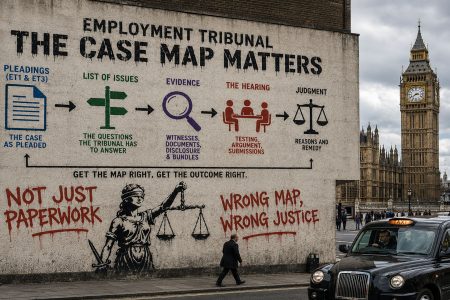
A list of issues is not administrative decoration. It is the point where the pleaded case is translated into the questions the Tribunal is being asked to decide.
A quiet May 2025 change to the Equal Treatment Bench Book removed a written-only evidence adjustment for mental health disabilities—raising concerns about access to justice as tribunals demand increasingly “objective” medical proof for adjustments and postponements.
Even after sweeping reforms, Employment Tribunals remain an uphill battle for self-represented claimants—especially ex-police officers suddenly cut adrift by the Federation.