
Skip to content
Legal Lens

Legal Lens

Independent, practical help for litigants in person in England & Wales.

Search for:
Log in
Register

Menu

Close
  • About Legal Lens
    • About Us
    • Who Funds Us?
    • Values, Policies & Protocols
  • Blog
    • Latest PostsNEW
      • When Separate Incidents May Form One Continuing Act
      • Mental Health and Sanctions in Employment Tribunals
      • Employment Tribunal Adjustments for Vulnerable Litigants
      • When the Process Becomes Part of the Harm: Mental Health and Litigants in Person in the Employment Tribunal
      • The Issue Map: Why Unclear Complaints Produce Unclear Decisions
    • Case Studies
    • Dispute Resolution
    • Legal Innovation
    • Legal Practice
    • Regulatory Matters
    • UK Legal System
  • Get Involved
    • Judicial Review Against the SRA
    • Write for Us
    • Support Us
    • Syndication and Copyright
  • Factsheets & Tools
    • Factsheets
    • Tools
    • Basic Assistance Directory
    • Peer Support Network
    • Trusted Directory
  • Contact & Free Assessment
  • About Legal Lens
    • About Us
    • Who Funds Us?
    • Values, Policies & Protocols
  • Blog
    • Latest PostsNEW
      • When Separate Incidents May Form One Continuing Act
      • Mental Health and Sanctions in Employment Tribunals
      • Employment Tribunal Adjustments for Vulnerable Litigants
      • When the Process Becomes Part of the Harm: Mental Health and Litigants in Person in the Employment Tribunal
      • The Issue Map: Why Unclear Complaints Produce Unclear Decisions
    • Case Studies
    • Dispute Resolution
    • Legal Innovation
    • Legal Practice
    • Regulatory Matters
    • UK Legal System
  • Get Involved
    • Judicial Review Against the SRA
    • Write for Us
    • Support Us
    • Syndication and Copyright
  • Factsheets & Tools
    • Factsheets
    • Tools
    • Basic Assistance Directory
    • Peer Support Network
    • Trusted Directory
  • Contact & Free Assessment
Search for:
Log in
Register

Year: 2026

  • Home
  • 2026
When Separate Incidents May Form One Continuing Act
Regulatory Matters

When Separate Incidents May Form One Continuing Act

Written by John Barwell 30 July 202619 August 2026

The EAT overturned the strike-out of race discrimination complaints in Waithaka v Barclays. The judgment explains why different managers, incidents and forms of treatment may still form part of one continuing state of affairs for Equality Act time-limit purposes.

Mental Health and Sanctions in Employment Tribunals
Dispute Resolution

Mental Health and Sanctions in Employment Tribunals

Written by John Barwell 16 July 202619 August 2026

Employment Tribunal conduct may be disruptive in effect while mental impairment remains relevant to its cause. This article examines evidence, non-attendance, costs, unless orders, strike-out and fairness to both parties.

Employment Tribunal Adjustments for Vulnerable Litigants
Legal Practice

Employment Tribunal Adjustments for Vulnerable Litigants

Written by John Barwell 15 July 202619 August 2026

Employment Tribunals have broad powers to support vulnerable parties. But an impaired litigant in person may struggle to identify the barrier, explain its functional effect and provide the evidence needed for a proportionate adjustment.

When the Process Becomes Part of the Harm: Mental Health and Litigants in Person in the Employment Tribunal
Dispute Resolution

When the Process Becomes Part of the Harm: Mental Health and Litigants in Person in the Employment Tribunal

Written by John Barwell 14 July 202619 August 2026

Employment Tribunal proceedings do not inevitably cause mental illness. But for a litigant in person, self-representation can add anxiety, cognitive load and procedural pressure to an already damaging workplace dispute.

The Issue Map: Why Unclear Complaints Produce Unclear Decisions
Regulatory Matters

The Issue Map: Why Unclear Complaints Produce Unclear Decisions

Written by John Barwell 12 July 202619 August 2026

A complaint can contain a detailed chronology and extensive evidence while leaving the central questions undefined. An issue map separates the issues, positions, evidence, findings and outcomes that require a decision.

The Template Decision: When Standard Wording Replaces Individual Reasoning
Regulatory Matters

The Template Decision: When Standard Wording Replaces Individual Reasoning

Written by John Barwell 11 July 202619 August 2026

Templates can improve clarity and consistency. The accountability problem begins when standard wording replaces engagement with the individual complaint, evidence and circumstances.

Administrative Closure Is Not Resolution: The Problem with Final Responses That Do Not Answer the Complaint
Regulatory Matters

Administrative Closure Is Not Resolution: The Problem with Final Responses That Do Not Answer the Complaint

Written by John Barwell 5 July 202619 August 2026

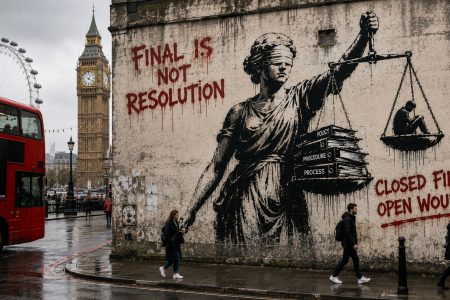
A final response may close a file, but that does not always mean the complaint has been answered. Administrative closure belongs to the process. Substantive resolution belongs to the issue.

When Evidence Disappears from the Decision: Why the Record Matters
Regulatory Matters

When Evidence Disappears from the Decision: Why the Record Matters

Written by John Barwell 3 July 202619 August 2026

A decision does not need to discuss every document. But where central evidence disappears from the reasoning, the person affected may be unable to understand how the issue, evidence, finding and outcome connect.

When Decisions Answer the Wrong Question: The Accountability Problem Hidden in Plain Sight
Regulatory Matters

When Decisions Answer the Wrong Question: The Accountability Problem Hidden in Plain Sight

Written by John Barwell 2 July 202619 August 2026

A response can be complete in form and incomplete in substance. The accountability problem lies in the gap between the issue raised and the question answered.

When “Reasons” Are Not Reasons: Why Unexplained Decisions Defeat Accountability
Regulatory Matters

When “Reasons” Are Not Reasons: Why Unexplained Decisions Defeat Accountability

Written by John Barwell 1 July 202619 August 2026

Outcome is not explanation. Reasons matter because they make decisions intelligible, accountable and capable of proper scrutiny.

Page navigation

1 2 3 … 5 Next

Recent Posts

  • When Separate Incidents May Form One Continuing Act
  • Mental Health and Sanctions in Employment Tribunals
  • Employment Tribunal Adjustments for Vulnerable Litigants
  • When the Process Becomes Part of the Harm: Mental Health and Litigants in Person in the Employment Tribunal
  • The Issue Map: Why Unclear Complaints Produce Unclear Decisions
Legal Lens

About Legal Lens

  • About Us
  • Who Funds Us?
  • Values, Policies & Protocols

Privacy & Integrity

  • Editorial Standards
  • Investigative Journalism
  • Privacy Policy
  • Terms of Engagement
  • Terms of Use

Get Involved

  • Write for Us
  • Support Us
  • Syndication and Copyright

Contact Us

  • Contact
  • john@legallens.org.uk

© Legal Lens 2026. All rights reserved.

Registered with the ICO (ZB903494). Professional indemnity and cyber risk insurance held.

Privacy Policy