A complaint can contain a detailed chronology and extensive evidence while leaving the central questions undefined. An issue map separates the issues, positions, evidence, findings and outcomes that require a decision.
 Written by John Barwell

Independent, practical help for litigants in person in England & Wales.
Written by John Barwell
A complaint can contain a detailed chronology and extensive evidence while leaving the central questions undefined. An issue map separates the issues, positions, evidence, findings and outcomes that require a decision.
Written by John Barwell
Templates can improve clarity and consistency. The accountability problem begins when standard wording replaces engagement with the individual complaint, evidence and circumstances.
Written by John Barwell
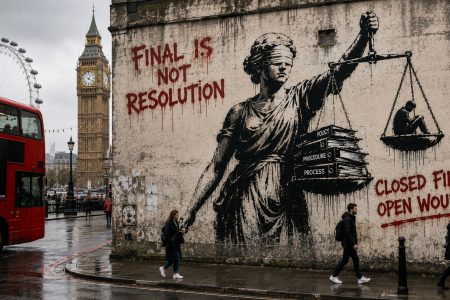
A final response may close a file, but that does not always mean the complaint has been answered. Administrative closure belongs to the process. Substantive resolution belongs to the issue.
Written by John Barwell
A decision does not need to discuss every document. But where central evidence disappears from the reasoning, the person affected may be unable to understand how the issue, evidence, finding and outcome connect.
Written by John Barwell
A response can be complete in form and incomplete in substance. The accountability problem lies in the gap between the issue raised and the question answered.
 Written by John Barwell
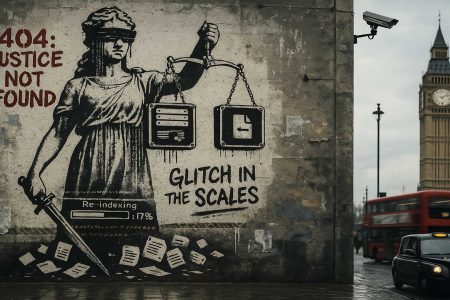
A leaked report reveals HMCTS hid a major IT bug for years, risking miscarriages of justice across multiple court systems.
Written by John Barwell
How the GMC’s Responsible Officer model risks silencing whistleblowers and failing the patients it claims to protect.
Written by John Barwell
The UK’s ICO, SRA, and FCA have become toothless regulators, necessitating fundamental reform or total replacement to restore public trust and accountability.
Written by John Barwell
Imperial College London’s refusal to disclose legal spending under FOIA raises urgent questions about transparency, governance, and accountability.
Written by John Barwell
The ICO’s reluctance to enforce transparency raises critical questions about whether it is protecting information rights or shielding organisations from scrutiny.