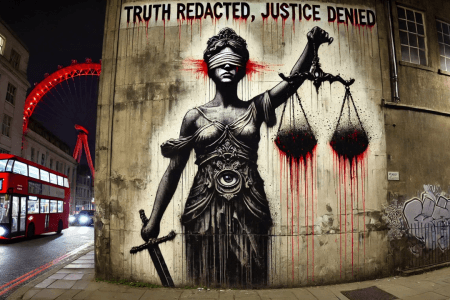
A close examination of the Solicitors Regulation Authority reviews on Trustpilot reveals an overwhelming number of negative experiences, which paints a troubling picture of the current state of legal regulation in the United Kingdom.
The UK justice system faces a crisis of accountability due to failures in legal regulation. This article highlights the urgent need for a public inquiry into the SRA and shares real stories of those affected. It’s time to demand transparency and real change.
Navigating the legal system as a litigant in person (LiP) can be a mentally exhausting and daunting endeavour. This article delves into the systemic power imbalances, regulatory failures, and profound psychological impacts experienced by those without legal representation, advocating for essential reforms to ensure fairness and support for all individuals in their pursuit of justice.
This article examines why many solicitors who begin with high ethical standards gradually compromise their values. It discusses the cultural and systemic pressures within the legal profession, and offers a call to action for restoring integrity and fairness in the UK legal system.
This article critically examines procedural and ethical concerns in a lease forfeiture case involving Burnetts Solicitors. Issues include the concealment of a bailiff’s identity, non-compliance with transparency obligations, and significant procedural anomalies, calling into question the firm’s adherence to ethical standards.
It is time to confront an uncomfortable truth: why do some legal professionals bend the rules, and what can we do to stop it? The Culture of Rule-Bending Many within the British legal system are all too familiar with an unfortunate reality: some solicitors and barristers employ tactics that manipulate procedural nuances, thereby undermining the … Continue reading “Why Do Solicitors and Barristers Bend the Rules? The Pernicious Underside of the UK Legal System”
The Midgley v Vossloh Cogifer UK Ltd case reveals how unethical tactics by experienced legal professionals can mislead the court, especially against unrepresented claimants, leading to unintended legal outcomes. This article explores the implications for tribunal governance and legal ethics.
The Myth of Fairness The presumption that the UK justice system is inherently fair and impartial is a comforting yet ultimately misleading notion. For many LiPs, this perception of fairness is wholly detached from reality. Increasingly, there is a pervasive sentiment that the justice system is not only rigged but disproportionately skewed in favour of … Continue reading “The Misconception of Fairness in the UK Justice System: A Litigant in Person’s Perspective”
This article explores the sophisticated procedural tactics often employed by represented defendants in Employment Tribunals, such as late submissions and document overload, which place unrepresented claimants at a disadvantage. It offers strategies for Litigants in Person (LiPs) to counteract these pressures and assert their rights effectively.
Navigating the Employment Tribunal system is particularly challenging for claimants representing themselves as Litigants in Person (LiPs), especially when faced with late submissions of key documents by represented defendants. This article explores the impact of such tactics and offers strategies for LiPs to protect their rights and ensure procedural fairness.