
 Written by
 SQE · whistleblowing · regulatory transparency
An anonymised whistleblower report reviewed by Legal Lens alleges that the Solicitors Qualifying Examination is affected by opaque marking, barriers to appeal and equality concerns. The SRA and Kaplan deny unfairness and maintain that the assessment process is robust.
Publication snapshot
- The article is based on an anonymised 11-page whistleblower document reviewed by Legal Lens.
- The complaint alleges opacity in SQE scaling, weighting, marking and appeals.
- The article records the SRA and Kaplan positions as reported in the source text.
A whistleblower alleges an opaque SQE process
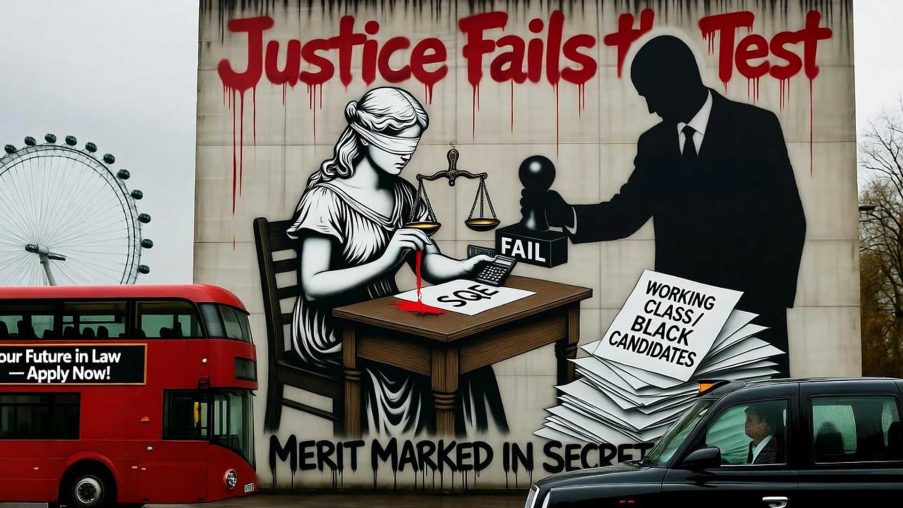
A whistleblower has accused the Solicitors Regulation Authority and its assessment provider Kaplan of running an opaque and potentially discriminatory qualification process that “systematically disadvantages” Black and working-class candidates.
In a detailed 11-page document shared with Legal Lens, a recent candidate who asked to remain anonymous alleges that the Solicitors Qualifying Examination suffers from serious design flaws, inconsistent marking and barriers to appeal that could breach equality and consumer-protection standards.
Opaque marking and missing data
At the heart of the complaint is the SQE’s grading system. Candidates are awarded a score out of 500, with 300 set as the pass mark, but neither the SRA nor Kaplan publish the conversion between raw and scaled marks or the weight given to different practice areas.
The whistleblower claims that “average scores by subject do not reconcile with the overall result”, suggesting that scaling and weighting may be affecting outcomes in ways candidates cannot understand or challenge.
Experts in assessment design say such opacity is unusual for a high-stakes professional exam.
January 2024 marking error
The allegations follow a confirmed error in the January 2024 sitting, when the SRA admitted that a “rounding and validity” issue had led to incorrect results for an undisclosed number of candidates.
The whistleblower’s report, however, says at least 175 people were initially failed, with some losing training contracts before the problem was acknowledged.
The report calls for an independent audit of all affected sittings. The SRA said the matter had been “fully investigated” and that all candidates who might have been impacted “were contacted and compensated appropriately.”
Appeals described as too costly and too narrow
The document also criticises the appeals process, which costs several hundred pounds and only permits challenges on limited procedural grounds. Until 2023, candidates could request a low-cost “clerical check” to confirm their marks, but that service has been discontinued.
The SRA says the process is “robust and fair”, adding that all appeals are handled independently by Kaplan’s assessment board.
Ethnicity gap and equality duties
Data published by the SRA itself show persistently lower pass rates among Black candidates, both in SQE1 and SQE2. While the regulator has commissioned research to explore possible causes, it maintains there is “no evidence” of bias in the exam itself.
The whistleblower disagrees, arguing that the combination of high costs, limited sittings and a three-attempt rule within six years amplifies disadvantage for candidates from poorer backgrounds.
Equality campaigners say the issue may engage the Equality Act’s Public Sector Equality Duty, requiring regulators to take active steps to eliminate discrimination.
Calls for an independent review
The report urges the Legal Services Board, which oversees the SRA, to launch an independent review of how the SQE is marked and scaled, and to require publication of key data.
Publish mark-conversion data
The report calls for raw-to-scaled mark tables for each sitting, so candidates can understand how their marks were converted.
Explain weighting by practice area
It seeks publication of the weighting given to different practice areas and how those weightings affect final outcomes.
Clarify standard-setting methods
The report asks for details of the Modified Angoff and equating methods used in the assessment process.
Disclose panel demographics
It also proposes anonymised demographic data for assessment and appeal panels.
The report further proposes reinstating clerical checks, allowing candidates to sit the two SQE1 papers separately, and introducing a second assessment provider to reduce reliance on Kaplan.
Regulatory response
An SRA spokesperson told Legal Lens it “takes these concerns seriously” and “will continue to evaluate and improve the SQE”. They added that a comprehensive equality monitoring programme is under way, with further reports due later this year.
Kaplan declined to comment on individual allegations but said the exam “is subject to independent oversight and rigorous quality assurance.”
Growing pressure for reform
Legal academics, MPs and equality advocates are now calling for greater scrutiny. An assessment expert at a leading law school said: “Transparency builds trust. If the SQE is sound, publishing the data should only strengthen confidence.”
The Legal Services Board confirmed it had received correspondence on the issue and is “considering next steps.”
For many aspiring solicitors, the stakes could not be higher. As the whistleblower’s report concludes:
Disclaimer
This article is based on an anonymised whistleblower report reviewed by Legal Lens. All parties named were offered the opportunity to respond. Allegations remain allegations unless admitted, independently verified, or determined by a competent authority. The information presented is for public-interest and investigative purposes only and does not constitute legal advice.