
When a defence becomes a claim: counterclaims and additional claims under CPR Part 20

A defence is rarely the end of the exchange. This guide explains CPR Part 20 for litigants in person: what counts as an additional claim, when a defendant can counterclaim without permission, the contribution and indemnity notice route, the permission and service rules for other additional claims, and how to respond when one lands against you.

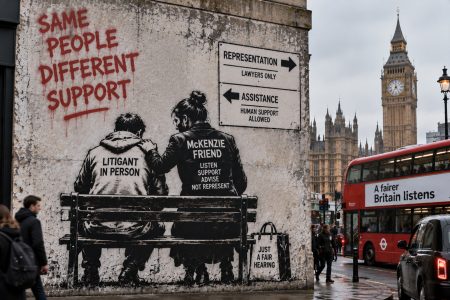
McKenzie friends and lay support: what a helper can and cannot do in a civil hearing

You can bring a helper to a civil hearing, and the court needs good reason to stop you. But a McKenzie friend advises you; they do not speak for you. This guide maps the line between support and representation — the 2010 Practice Guidance, the reserved legal activities a helper must not touch, the separate grant needed for speaking rights, what paid McKenzie friends may lawfully charge for, and the conduct that gets lay helpers excluded.

The Psychological and Systemic Challenges of Self-Representation in the Legal System: A Call for Reform

Navigating the legal system as a litigant in person (LiP) can be a mentally exhausting and daunting endeavour. This article delves into the systemic power imbalances, regulatory failures, and profound psychological impacts experienced by those without legal representation, advocating for essential reforms to ensure fairness and support for all individuals in their pursuit of justice.

The Misconception of Fairness in the UK Justice System: A Litigant in Person’s Perspective

Access to justice · Litigants in person · Public confidence The justice system is often described as fair, neutral and accessible. For many litigants in person, that description does not match the lived experience. The deeper issue is not simply individual disappointment with case outcomes, but whether the system gives unrepresented people a realistic opportunity … Continue reading “The Misconception of Fairness in the UK Justice System: A Litigant in Person’s Perspective”

The Tactical Terrain: Further Challenges for Litigants in Person in Employment Tribunals

This article explores the sophisticated procedural tactics often employed by represented defendants in Employment Tribunals, such as late submissions and document overload, which place unrepresented claimants at a disadvantage. It offers strategies for Litigants in Person (LiPs) to counteract these pressures and assert their rights effectively.

Employment Tribunals: Challenges for Litigants in Person Against Represented Defendants

Navigating the Employment Tribunal system is particularly challenging for claimants representing themselves as Litigants in Person (LiPs), especially when faced with late submissions of key documents by represented defendants. This article explores the impact of such tactics and offers strategies for LiPs to protect their rights and ensure procedural fairness.