A response can be complete in form and incomplete in substance. The accountability problem lies in the gap between the issue raised and the question answered.
 Written by John Barwell

Independent, practical help for litigants in person in England & Wales.
209 articles · All articles
Written by John Barwell
A response can be complete in form and incomplete in substance. The accountability problem lies in the gap between the issue raised and the question answered.
Written by John Barwell
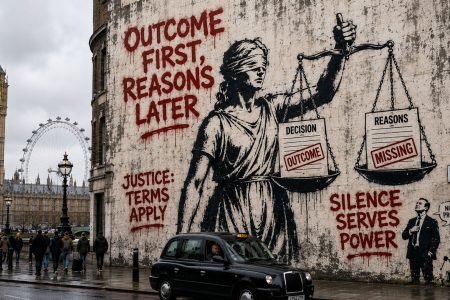
Outcome is not explanation. Reasons matter because they make decisions intelligible, accountable and capable of proper scrutiny.
Written by John Barwell
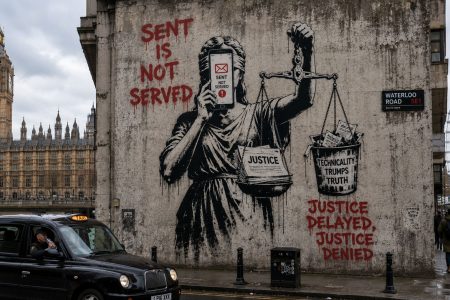
Sending is communication. Service is a legal act. This Legal Lens article explains why emailing a civil claim form can fail if the rules on service, solicitor authority, email consent, nominated addresses, sealed documents and timing are not followed.
Written by John Barwell
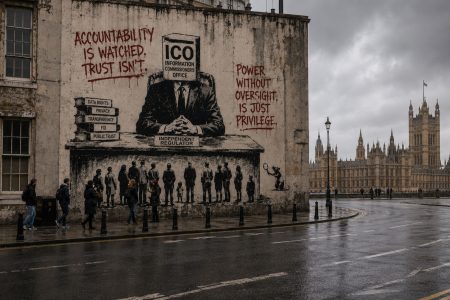
A careful Legal Lens analysis of John Edwards, the ICO, reported leadership uncertainty and the accountability standards expected of the UK’s data watchdog.
Written by John Barwell
A quiet May 2025 change to the Equal Treatment Bench Book removed a written-only evidence adjustment for mental health disabilities—raising concerns about access to justice as tribunals demand increasingly “objective” medical proof for adjustments and postponements.
Written by John Barwell
After a 10-year-old boy’s preventable death, a lost diagnosis, missing records and a delayed apology, his father is demanding a fresh inquest—or a full public inquiry.
Written by John Barwell
This article explains, with reference to the Legal Services Act 2007 and leading cases, what non-regulated legal consultants can lawfully do—and why threats of criminal liability for unreserved activities are unfounded.
Written by John Barwell
A Devon planning case has unravelled into a nationwide exposure of how Britain’s oversight bodies protect one another — and not the public they serve.
Written by John Barwell
New evidence shows the UK’s top legal offices may lack any auditable complaint system—an accountability vacuum at the heart of government.
Written by John Barwell
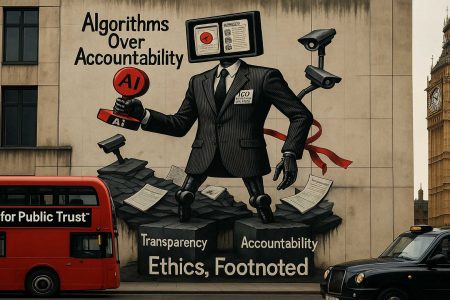
The ICO’s new AI policy exposes a regulator eager to appear innovative while remaining powerless to enforce the very standards it promotes.