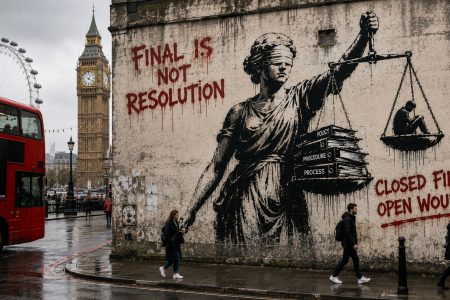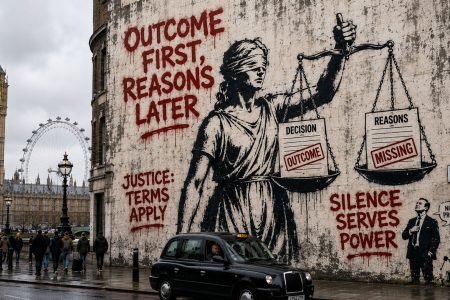
A complaint can contain a detailed chronology and extensive evidence while leaving the central questions undefined. An issue map separates the issues, positions, evidence, findings and outcomes that require a decision.
 Written by John Barwell

Independent, practical help for litigants in person in England & Wales.
Written by John Barwell
A complaint can contain a detailed chronology and extensive evidence while leaving the central questions undefined. An issue map separates the issues, positions, evidence, findings and outcomes that require a decision.
Written by John Barwell
Templates can improve clarity and consistency. The accountability problem begins when standard wording replaces engagement with the individual complaint, evidence and circumstances.
Written by John Barwell
A final response may close a file, but that does not always mean the complaint has been answered. Administrative closure belongs to the process. Substantive resolution belongs to the issue.
Written by John Barwell
A decision does not need to discuss every document. But where central evidence disappears from the reasoning, the person affected may be unable to understand how the issue, evidence, finding and outcome connect.
Written by John Barwell
Outcome is not explanation. Reasons matter because they make decisions intelligible, accountable and capable of proper scrutiny.
 Written by John Barwell
The Financial Ombudsman Service (FOS) is often seen as a bureaucratic maze where complaints drag on and consumers feel unheard. Yet, my recent experience challenged this perception.
Written by John Barwell
An information request reveals the SRA’s complaint handling and decision-making processes, highlighting their commitment to transparency and accountability.
Written by John Barwell
Examining regulatory failures by the SRA and CEDR in handling complaints against Burnetts Solicitors LLP, highlighting systemic flaws and the need for comprehensive reforms.
Written by John Barwell
Critical insights into SRA and CEDR’s complaint handling reveal significant procedural failures, impacting public trust and regulatory oversight effectiveness.