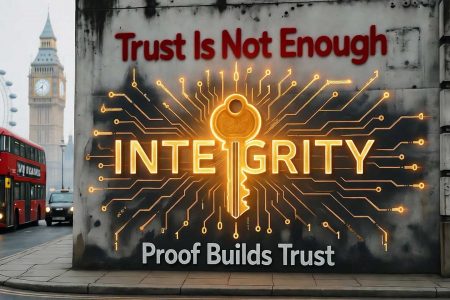
Legal Lens replaces trust with verifiable proof through YubiKey hardware authentication — integrity engineered, not assumed.
 Written by John Barwell
Independent, practical help for litigants in person in England & Wales.
Written by John Barwell
Legal Lens replaces trust with verifiable proof through YubiKey hardware authentication — integrity engineered, not assumed.
Written by John Barwell
A new era of self-representation is emerging as litigants in person use strategy, structure, and AI tools to navigate a justice system once reserved for lawyers.
Written by John Barwell
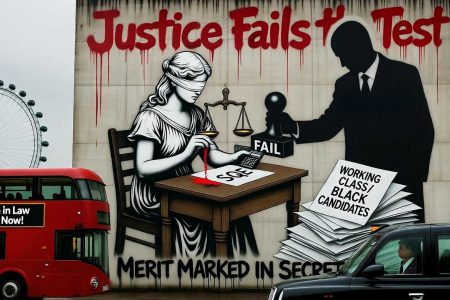
A whistleblower has challenged the fairness and transparency of the Solicitors Qualifying Examination, calling for urgent reform and independent oversight.
Written by John Barwell
Judicial accountability · whistleblowing · Freemasonry transparency A new legal challenge over alleged judicial bullying has revived an old question: whether opaque networks, institutional loyalty and unfinished reforms leave whistleblowers facing more than their formal opponents. No grand conspiracy is proved, but the absence of disclosure leaves public trust exposed. Jurisdiction: United Kingdom Focus: JCIO, … Continue reading “Unmasking an ‘Old Boys’ Club’: Freemasonry, Whistleblowers and the UK Justice System”
Written by John Barwell
When institutions thrive on secrecy, one woman’s fight for transparency becomes an act of defiance.
Written by John Barwell
The Investigatory Powers Tribunal (IPT) is the UK’s only judicial body empowered to oversee complaints against state surveillance and covert activities by intelligence agencies, police forces, and local authorities.
Written by John Barwell
AI is revolutionising UK civil litigation, but risks of bias, confirmation bias, and threats to due process raise serious concerns for fairness and justice.
Written by John Barwell
NHS Resolution’s Practitioner Performance Advice (PPA) service enables NHS Trusts to frame whistleblowers as problematic, creating a covert mechanism to discredit them and suppress patient safety concerns.
Written by John Barwell
Imperial College London’s refusal to disclose legal spending under FOIA raises urgent questions about transparency, governance, and accountability.
Written by John Barwell
A critical exposé on Paul Philip’s controversial tenure at the SRA, revealing systemic regulatory failures and bias that have undermined public accountability.