
A demand to pay into court or drop your claim is not a court order. Security for costs under CPR Part 25 Section VI has a two-stage test and a closed list of conditions — and an individual claimant’s poverty, on its own, is not one of them. How the regime works, what a real application looks like, and how to respond with evidence.
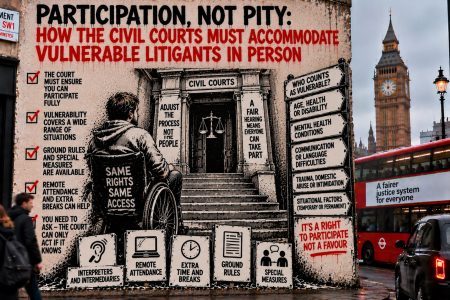
Since April 2021 the civil courts’ overriding objective has included making sure parties can participate fully and give their best evidence — and Practice Direction 1A gives judges a toolkit of directions to make that real. Many litigants in person have never heard of it. This guide sets out the menu of participation directions, who counts as vulnerable, and the wording of a short application you can file.
Issue stops the limitation clock, but it does not bring the defendant into the claim. Under CPR rule 7.5 the claimant must complete the step required for the chosen method of service – posting, delivering, or sending the email – within four months of issue. This guide explains the step-required table, deemed service, the 14-day particulars deadline, the narrow rule 7.6 extension gateway, and the defendant’s rule 7.7 notice.
Many litigants in person assume that winning means being made whole – then meet CPR rule 27.14’s closed list. This guide explains exactly what is and is not recoverable on the small claims track: court fees in full, fixed commencement costs of £50 to £100, expert fees capped at £750, loss of earnings capped at £95 a day, and why legal representation costs stay with you even when you win. Includes a worked recoverable-costs schedule for a typical claim and the conduct and re-allocation exceptions where the limits lift.
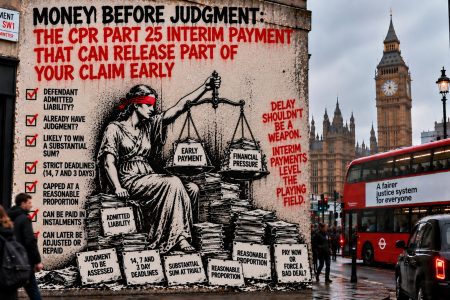
A defendant can admit liability and still keep you waiting months while quantum is assessed. CPR Part 25 Section V lets the court order part of the likely award to be paid early. This guide explains the gateways in rule 25.23, the fixed 14, 7 and 3-day service deadlines, what the evidence must show, the reasonable-proportion cap, how payments are adjusted or repaid, and why the trial judge is never told.
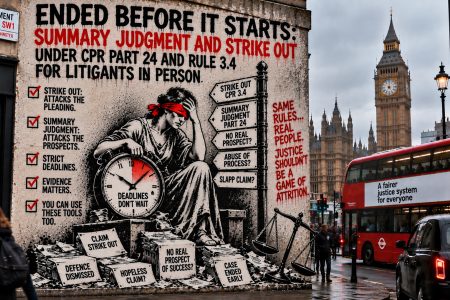
Two applications can end a civil case before it ever reaches trial. This guide explains the difference between strike out under CPR rule 3.4 — including the new SLAPP ground — and summary judgment under Part 24, the notice and evidence deadlines both sides must meet, and how a litigant in person can resist an application or use the same procedure against a hopeless claim or defence.
Court fees are set to be felt — £455 to issue an £8,000 claim, £346 more for the hearing — but the Help with Fees scheme can reduce them to zero for anyone under the savings and income thresholds. The catch is that it is strictly self-service: a separate application for every fee, a 28-day clock on evidence letters, and three months to reclaim a fee you should never have paid.
Three digital systems now sit between a claimant and the County Court, each with its own rulebook. Online Civil Money Claims is live and mainstream; the damages claims service is a pilot closed to litigants in person; Money Claim Online endures as the legacy layer. This inventory, built from the practice directions and official sources, maps which portal your claim belongs in.
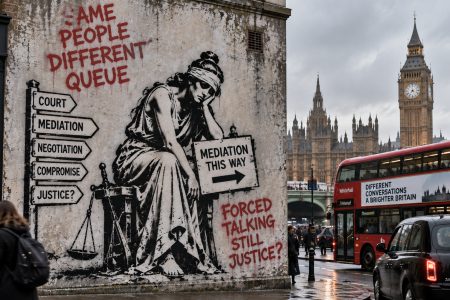
Civil courts in England & Wales can now order parties into non-court dispute resolution, and the Civil Procedure Rules were amended in October 2024 to match. This guide explains the difference between the automatic small claims mediation scheme and the general Churchill power, the costs risk of refusing to engage, and how to prepare for a mediation appointment without legal representation.
Missed a directions deadline? The sanction takes effect automatically, and the way back is an application for relief from sanctions under CPR 3.9. This guide follows one worked breach – a late witness statement – through the three Denton stages, the application notice and the witness statement in support, and explains why it is a different remedy from setting aside a default judgment.