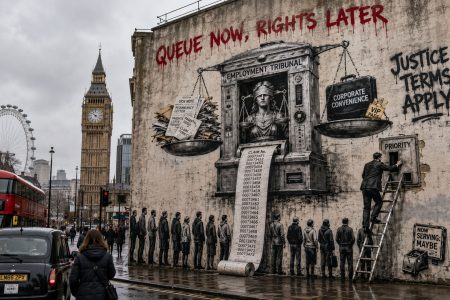
Employment Tribunal law is changing in stages in 2026. Some rights are already in force, further reforms are expected later in the year, and ordinary unfair dismissal changes are due in 2027. This explainer sets out what workers and employers need to check now.
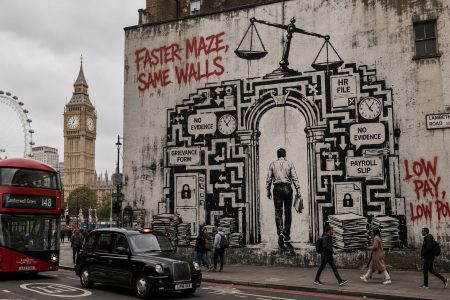
Most workers do not start with an ET1. They reach employment tribunal after workplace processes, grievances, Acas early conciliation and settlement opportunities have failed. Reform must start before the tribunal door.
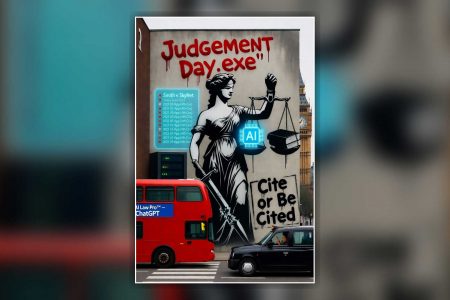
The UK judiciary’s latest AI guidance demands strict verification, confidentiality, and personal accountability for all AI-assisted legal work.
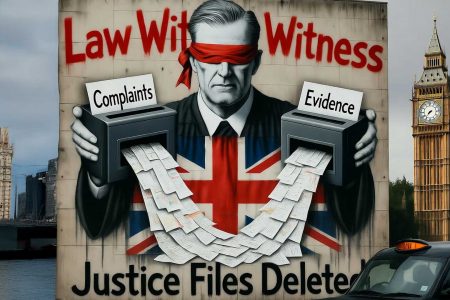
New evidence shows the UK’s top legal offices may lack any auditable complaint system—an accountability vacuum at the heart of government.
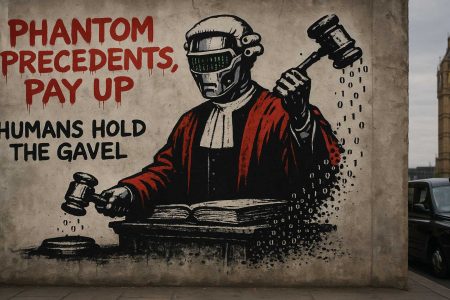
UK judges warn, US lawyers pay: AI hallucinations collide with courtroom reality.
A scathing look at how corrupt solicitors exploit Employment Tribunals—and how the SRA’s inertia makes it possible.
Judicial accountability · whistleblowing · Freemasonry transparency A new legal challenge over alleged judicial bullying has revived an old question: whether opaque networks, institutional loyalty and unfinished reforms leave whistleblowers facing more than their formal opponents. No grand conspiracy is proved, but the absence of disclosure leaves public trust exposed. Jurisdiction: United Kingdom Focus: JCIO, … Continue reading “Unmasking an ‘Old Boys’ Club’: Freemasonry, Whistleblowers and the UK Justice System”
The UK’s ICO, SRA, and FCA have become toothless regulators, necessitating fundamental reform or total replacement to restore public trust and accountability.
Whistleblowing platforms claim to offer protection and integrity, but what if they’re just another layer of corporate control?
In an era where justice is increasingly elusive, a disturbing trend has emerged—not from misguided litigants in person (LiPs), but from the legal teams representing powerful respondents.