A new era of self-representation is emerging as litigants in person use strategy, structure, and AI tools to navigate a justice system once reserved for lawyers.
 Written by John Barwell

Shining a Light on Justice, Empowering Your Legal Journey
Written by John Barwell
A new era of self-representation is emerging as litigants in person use strategy, structure, and AI tools to navigate a justice system once reserved for lawyers.
Written by John Barwell
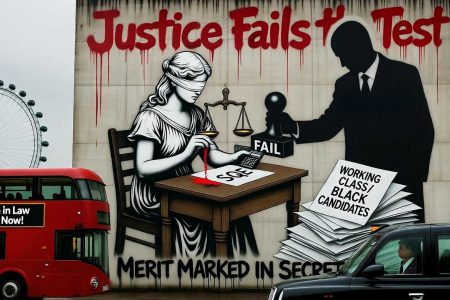
A whistleblower has challenged the fairness and transparency of the Solicitors Qualifying Examination, calling for urgent reform and independent oversight.
Written by John Barwell
In March 2025, ten women – among them doctors, a nurse, and a nuclear industry whistleblower – launched a legal challenge against the UK’s judicial watchdog. They allege that an employment judge, Philip Lancaster, bullied and biased proceedings in their cases, yet the Judicial Conduct Investigations Office (JCIO) refused to investigate.[^1] One complainant, Alison McDermott, … Continue reading “Unmasking an ‘Old Boys’ Club’: Freemasonry, Whistleblowers and the UK Justice System”
Written by John Barwell
When institutions thrive on secrecy, one woman’s fight for transparency becomes an act of defiance.
Written by John Barwell
The Investigatory Powers Tribunal (IPT) is the UK’s only judicial body empowered to oversee complaints against state surveillance and covert activities by intelligence agencies, police forces, and local authorities.
Written by John Barwell
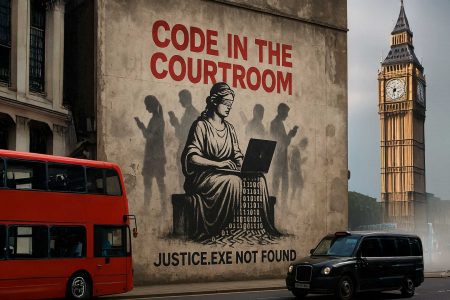
AI is revolutionising UK civil litigation, but risks of bias, confirmation bias, and threats to due process raise serious concerns for fairness and justice.
Written by John Barwell
NHS Resolution’s Practitioner Performance Advice (PPA) service enables NHS Trusts to frame whistleblowers as problematic, creating a covert mechanism to discredit them and suppress patient safety concerns.
Written by John Barwell
Imperial College London’s refusal to disclose legal spending under FOIA raises urgent questions about transparency, governance, and accountability.
Written by John Barwell
A critical exposé on Paul Philip’s controversial tenure at the SRA, revealing systemic regulatory failures and bias that have undermined public accountability.
Written by John Barwell
Discover the key obstacles UK Litigants in Person face and practical strategies to overcome them.