Most workers do not start with an ET1. They reach employment tribunal after workplace processes, grievances, Acas early conciliation and settlement opportunities have failed. Reform must start before the tribunal door.
 Written by John Barwell

Independent, practical help for litigants in person in England & Wales.
Written by John Barwell
Most workers do not start with an ET1. They reach employment tribunal after workplace processes, grievances, Acas early conciliation and settlement opportunities have failed. Reform must start before the tribunal door.
 Written by John Barwell
Why courts often reach outcomes that feel unfair — and what litigants in person must understand about law, evidence, and procedure in England & Wales.
Written by John Barwell
After a 10-year-old boy’s preventable death, a lost diagnosis, missing records and a delayed apology, his father is demanding a fresh inquest—or a full public inquiry.
Written by John Barwell
The UK judiciary’s latest AI guidance demands strict verification, confidentiality, and personal accountability for all AI-assisted legal work.
Written by John Barwell
A sharp, LiP-ready manual on LPP—how to keep advice and litigation strategy privileged, avoid waiver, and handle regulators/FOI, updated to 2 Nov 2025.
Written by John Barwell
A Devon planning case has unravelled into a nationwide exposure of how Britain’s oversight bodies protect one another — and not the public they serve.
Written by John Barwell
A new era of self-representation is emerging as litigants in person use strategy, structure, and AI tools to navigate a justice system once reserved for lawyers.
Written by John Barwell Professional Standards Terms of Engagement These Terms govern strategic consultancy services provided by Legal Lens. We provide documentary support, procedural information and evidence-based analysis for individuals dealing with tribunal proceedings and regulatory matters. Contents 01About These Terms & Regulatory Status No Legal Professional Privilege Redress and Oversight 02Scope of Services Explicit Exclusions 03Your Responsibilities Accepting … Continue reading “Terms of Engagement”
Written by John Barwell
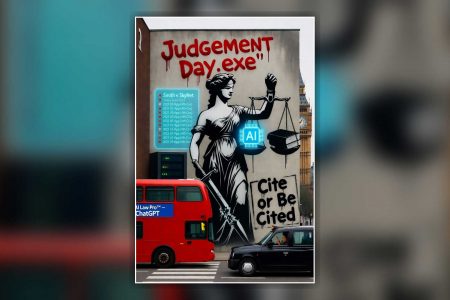
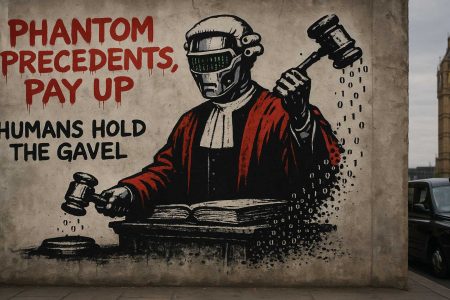
UK judges warn, US lawyers pay: AI hallucinations collide with courtroom reality.
Written by John Barwell
Even after sweeping reforms, Employment Tribunals remain an uphill battle for self-represented claimants—especially ex-police officers suddenly cut adrift by the Federation.