A decision does not need to discuss every document. But where central evidence disappears from the reasoning, the person affected may be unable to understand how the issue, evidence, finding and outcome connect.
 Written by John Barwell

Independent, practical help for litigants in person in England & Wales.
Written by John Barwell
A decision does not need to discuss every document. But where central evidence disappears from the reasoning, the person affected may be unable to understand how the issue, evidence, finding and outcome connect.
Written by John Barwell
A response can be complete in form and incomplete in substance. The accountability problem lies in the gap between the issue raised and the question answered.
Written by John Barwell
Outcome is not explanation. Reasons matter because they make decisions intelligible, accountable and capable of proper scrutiny.
Written by John Barwell
The first battle in an Employment Tribunal claim may be procedural. The ET1, grounds of claim and particulars can decide whether the case is clear enough to survive early pressure.
Written by John Barwell
A Legal Lens article on ET3 responses, procedural fairness and why a bare denial may not define the dispute.
Written by John Barwell
The ET1 is more than an Employment Tribunal claim form. It is the first point where a workplace story becomes a case, shaping the issues, respondent response, evidence, amendment risk and access to justice.
Written by John Barwell
Employment Tribunals are under pressure. Legal Lens explains why the backlog is a route-design problem, not just a delay problem.
Written by John Barwell
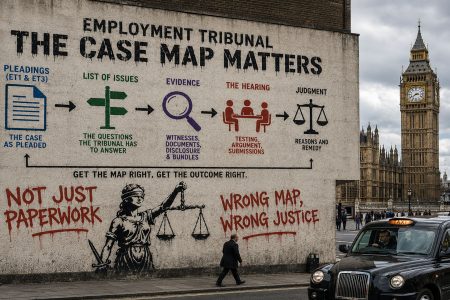
A list of issues is not administrative decoration. It is the point where the pleaded case is translated into the questions the Tribunal is being asked to decide.
Written by John Barwell
Closing submissions are argument, not evidence. Legal Lens explains how to structure final hearing submissions in Employment Tribunal claims.
Written by John Barwell
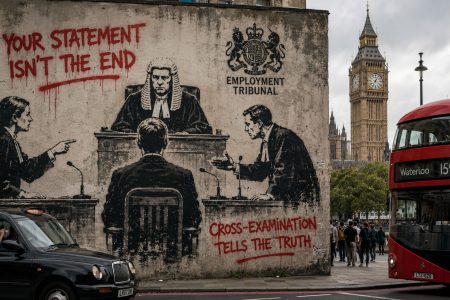
Employment Tribunal · Witness evidence · Cross-examination A witness statement matters, but it is not the end of the evidence. In an Employment Tribunal, a witness may still have to answer questions about documents, dates, decisions, memory, motive and disputed allegations. Cross-examination is where written evidence is tested. Category Employment Tribunal guidance Jurisdiction Great Britain … Continue reading “Employment Tribunal cross-examination: why your witness statement is only the start”