A decade of evidence shows the SRA repeatedly overlooks solicitor fraud, fostering an “old boys’ club” culture that leaves wronged clients without redress.
Within the UK’s legal and regulatory institutions, an age-old question persists: does Freemasonry exert undue influence?
How opaque contracts and data-sharing scandals poisoned public trust in UK health policy—and what legal reforms can fix it.
Despite robust UK safeguarding statutes, repeated scandals reveal systemic failures that demand urgent, unapologetic reform.
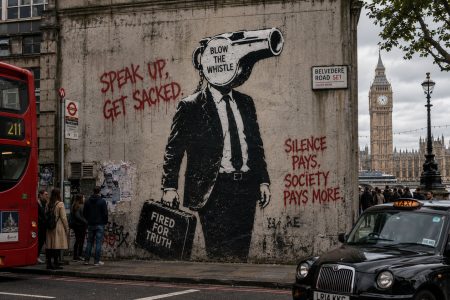
The UK’s whistleblowing regime promises protection but, in practice, enables institutional retaliation that silences staff and imperils the public.
From Edenfield to Whorlton Hall, this exposé reveals how systemic failings within the NHS continue to endanger vulnerable patients, despite decades of legal safeguards and public inquiries.
In March 2025, ten women – among them doctors, a nurse, and a nuclear industry whistleblower – launched a legal challenge against the UK’s judicial watchdog. They allege that an employment judge, Philip Lancaster, bullied and biased proceedings in their cases, yet the Judicial Conduct Investigations Office (JCIO) refused to investigate.[^1] One complainant, Alison McDermott, … Continue reading “Unmasking an ‘Old Boys’ Club’: Freemasonry, Whistleblowers and the UK Justice System”
The UK’s ICO, SRA, and FCA have become toothless regulators, necessitating fundamental reform or total replacement to restore public trust and accountability.
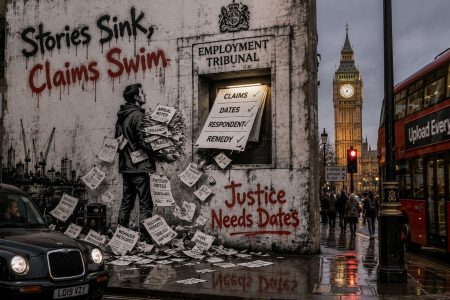
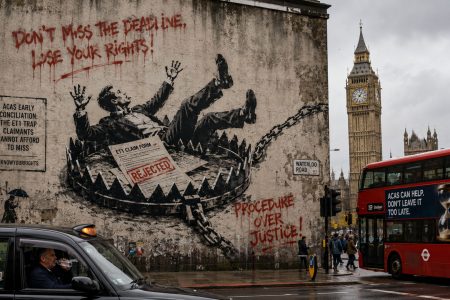
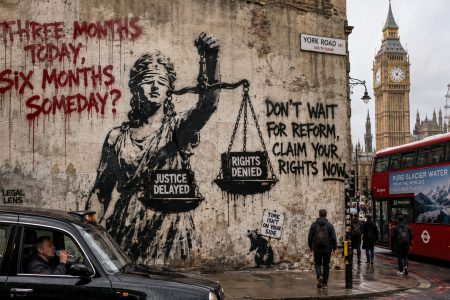
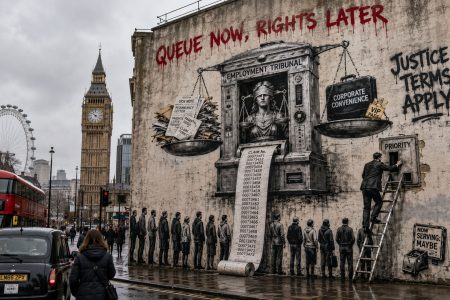
Employment tribunals were meant to be accessible for all, but unrepresented claimants—known as Litigants in Person—face a justice system that’s structurally rigged.
The Investigatory Powers Tribunal (IPT) is the UK’s only judicial body empowered to oversee complaints against state surveillance and covert activities by intelligence agencies, police forces, and local authorities.