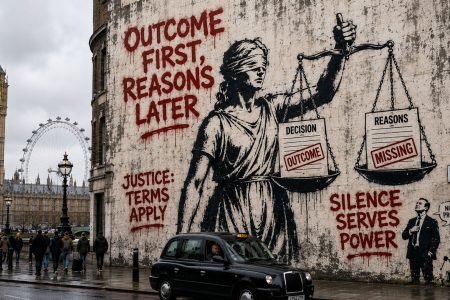
Outcome is not explanation. Reasons matter because they make decisions intelligible, accountable and capable of proper scrutiny.
 Written by John Barwell

Independent, practical help for litigants in person in England & Wales.
Written by John Barwell
Outcome is not explanation. Reasons matter because they make decisions intelligible, accountable and capable of proper scrutiny.
Written by John Barwell
The first battle in an Employment Tribunal claim may be procedural. The ET1, grounds of claim and particulars can decide whether the case is clear enough to survive early pressure.
Written by John Barwell
A Legal Lens article on ET3 responses, procedural fairness and why a bare denial may not define the dispute.
Written by John Barwell
The ET1 is more than an Employment Tribunal claim form. It is the first point where a workplace story becomes a case, shaping the issues, respondent response, evidence, amendment risk and access to justice.
Written by John Barwell
Employment Tribunals are under pressure. Legal Lens explains why the backlog is a route-design problem, not just a delay problem.
Written by John Barwell
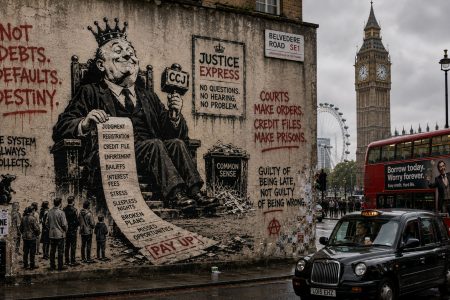
A County Court judgment can move from court procedure into financial life. This Legal Lens article explains why a CCJ is not one simple thing, and why judgment, registration, credit consequences, payment, satisfaction, cancellation, set aside, variation and stay are different legal routes with different effects.
Written by John Barwell
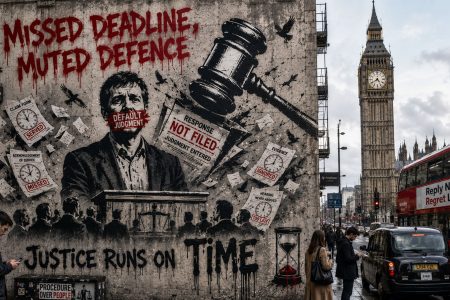
Civil procedure · Default judgment · Set aside A court judgment does not always follow a trial. Sometimes it follows silence. Default judgment is the procedural moment where a missed response can become judgment before the facts are tested, and the defendant’s first task may no longer be to defend the claim, but to explain … Continue reading “Default judgment: when silence becomes a judgment before the facts are heard”
Written by John Barwell
Sending is communication. Service is a legal act. This Legal Lens article explains why emailing a civil claim form can fail if the rules on service, solicitor authority, email consent, nominated addresses, sealed documents and timing are not followed.
Written by John Barwell
A Legal Lens article on online civil courts, digital filing, email service, default judgment, vulnerable users and why a login problem can become a legal problem.
Written by John Barwell
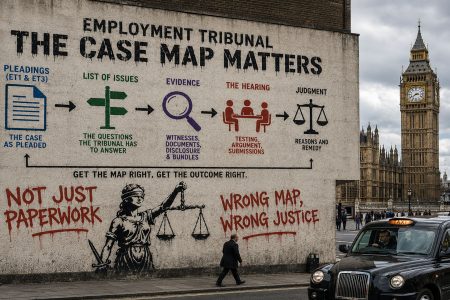
A list of issues is not administrative decoration. It is the point where the pleaded case is translated into the questions the Tribunal is being asked to decide.