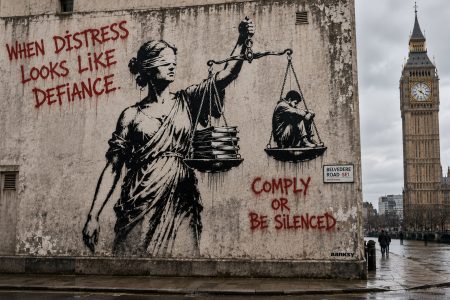

Employment Tribunal proceedings do not inevitably cause mental illness. But for a litigant in person, self-representation can add anxiety, cognitive load and procedural pressure to an already damaging workplace dispute.
Outcome is not explanation. Reasons matter because they make decisions intelligible, accountable and capable of proper scrutiny.
The first battle in an Employment Tribunal claim may be procedural. The ET1, grounds of claim and particulars can decide whether the case is clear enough to survive early pressure.
A Legal Lens article on ET3 responses, procedural fairness and why a bare denial may not define the dispute.
The ET1 is more than an Employment Tribunal claim form. It is the first point where a workplace story becomes a case, shaping the issues, respondent response, evidence, amendment risk and access to justice.
Employment Tribunals are under pressure. Legal Lens explains why the backlog is a route-design problem, not just a delay problem.
Sending is communication. Service is a legal act. This Legal Lens article explains why emailing a civil claim form can fail if the rules on service, solicitor authority, email consent, nominated addresses, sealed documents and timing are not followed.
A Legal Lens article on online civil courts, digital filing, email service, default judgment, vulnerable users and why a login problem can become a legal problem.
Most workers do not start with an ET1. They reach employment tribunal after workplace processes, grievances, Acas early conciliation and settlement opportunities have failed. Reform must start before the tribunal door.
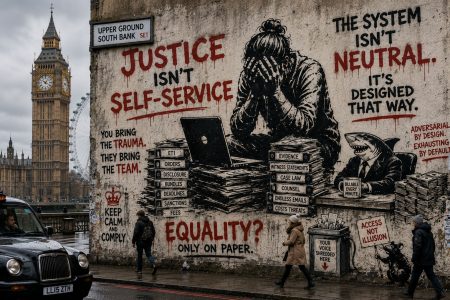
Why courts often reach outcomes that feel unfair — and what litigants in person must understand about law, evidence, and procedure in England & Wales.